Sussex International Piano Competition – 2

“That was the best performance of Ravel’s La Valse I have heard for probably 10 years.” One declaration from the audience summed up the excitement mounting as the Sussex International Piano Competition moved last night (Wednesday 9 May) towards its Semi-Final stage.

Hove piano expert and international artiste manager Tony Purkiss was referring to the appearance on Tuesday, the first Quarter-Final day, of Rhythmie Wong, a young woman from Hong Kong. But what would the seven-strong Jury think on Wednesday evening, after the second nine of the 18 competitors had completed their maximum half-hour programmes of solo piano?

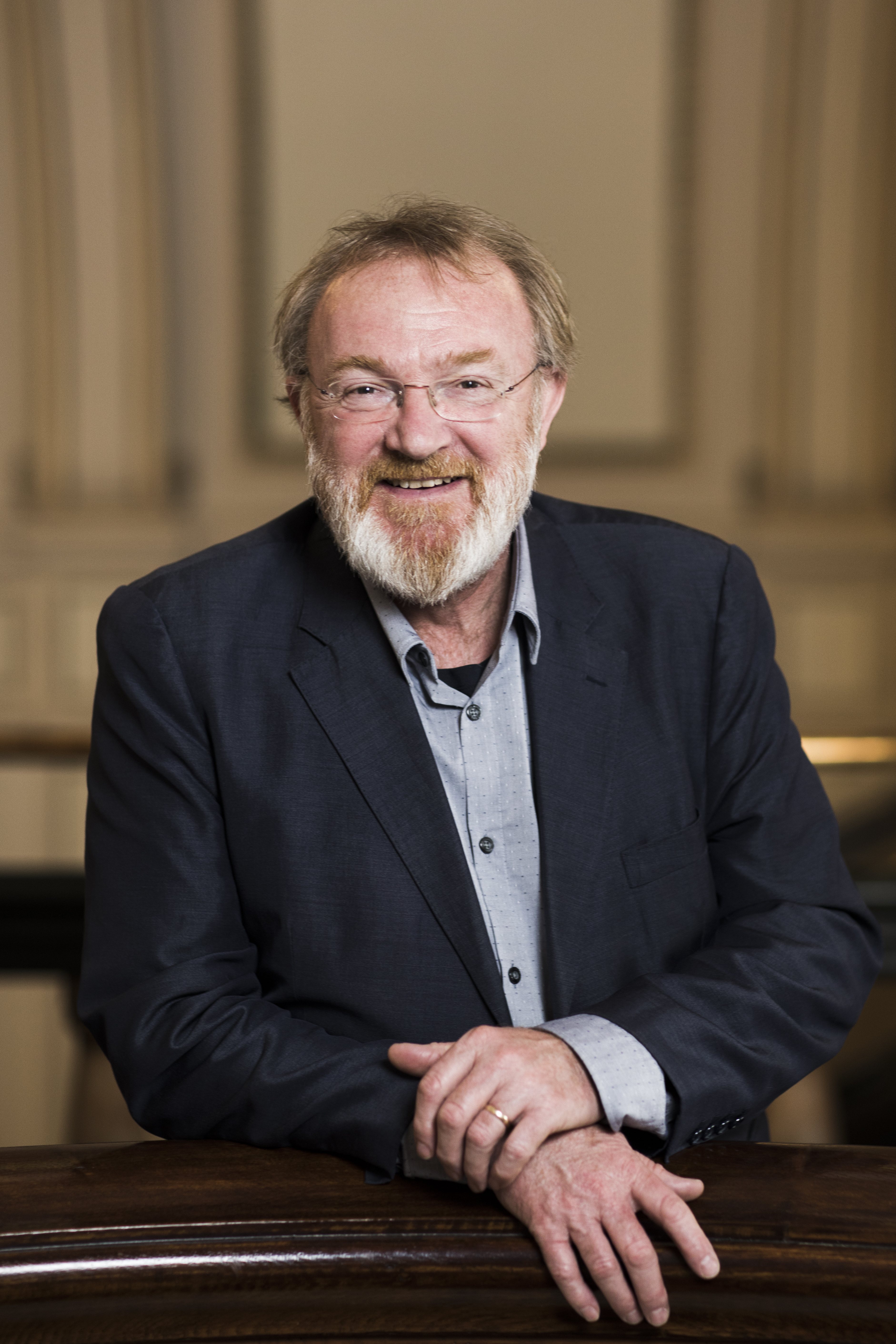
Deliberations took more than an hour until at 9.15pm, SIPC artistic director, the Worthing Symphony Orchestra’s chief conductor John Gibbons, announced the final six pianists to reappear in the Semis tomorrow afternoon and evening (Friday). Rhythmie Wong – who, as well as playing violin, clarinet and composing, has a sister named Harmonie – made it, but was the last to be named. She also will be the last of the sextet to play in the Semi-Final, according to the draw made by inaugural 2010 SIPC winner Arta Arnicane.

Wong is unobtrusive, thoughtful, quietly-spoken, mild-mannered and gracious. And she was the only competitor across the two days of quarter-finals who sat in The Assembly Hall to listen to all 17 other rivals for the £5,000 top prize from the Bowerman Charitable Trust, with its bonus of recording a CD at the Bowerman base at Champs Hill Records in Coldwaltham, West Sussex. From such a personality it appeared a calm gesture of respect and enjoyment, and far from a forensic surveillance operation.

The other six Semi-Finalists will be:

1pm: Antonina Suhanova, a Latvian at Guildhall School, she has undergone masterclasses from Vladimir Ashkenazy and Yuja Wang among others, and has soloed in concertos with the Latvian National Symphony Orchestra under Andris Nelsons.

2.05pm: Kenny Fu, the only one of four Britons surviving the cut, who has an Elton John Scholarship to the Royal Academy of Music, and was in the London Purcell School’s Impulse initiative taking classical music performance and workshops into primary schools.

3.10pm: Alon Petrilin, a product of Israel’s Jerusalem Academy of Music and Dance, he has appeared at St Petersburg’s White Nights festival in Russia and New York’s Carnegie Hall, has broadcast on Israeli radio and given concerts in Western Europe, Mexico and the US.

6pm: Sofya Bugayan, a Russian from Rostov-on-Don, the same home city of 2015 SIPC semi-finalist Anna Bulkina, where Bogayan is the youngest teacher ever appointed at Bulkina’s Rachmaninov Conservatoire.

7.05pm:  Yi-Yang Chen, a Taiwanese competition multi-winner trained in the US and Canada and with a 2014 Masters degree from the Juilliard School, Manhattan’s famous performing arts conservatory – music illumini including Henry Mancini, Barry Manilow, John Williams, Steve Reich, Chick Corea, Miles Davis, Itzhak Perlman, Stephen Hough, Nina Simone, Eric Whitacre, Marvin Hamlisch . . .

8.10pm: Rhythmie Wong, based in Cologne, performances in Germany, US, Italy, Croatia, Norway, UK, Hong Kong, Macau, Cambodia, Dublin, and New York’s Carnegie Hall and the Jordan Hill in Boston, with TV appearances in Hong Kong, including educational, and in Macau.

Haydn has been chosen by an unusually high proportion of the contestants, reflecting the current growth in love and admiration for this composer so long taken for granted and downgraded by generations regarding his heirs and successors as superiors, and by old opinion-shaping killjoys viewing Haydn’s use of humour as trivial and inconsequential in music.

In this refreshing interpretative 18th century classical alternative to the heavyweight romantic and 20th Century music pervading piano competitions, eight of the 18 pianists presented Haydn Sonatas, including four of the six semi-finalists, with three of those choosing Haydn for this crucial final solo round – Petrilin, Chang and Wong.

Now the next intrigue: here is what they will play in the Semi-Finals (previous round choices in brackets, which were performed alongside the compulsory quarter-final piece, Alwyn’s The Devil’s Reel):

Antonina Suhanova (Rachmaninov, Shostakovich): Mozart, Sonata K311; Prokofiev, Sonata No 8. Kenny Fu (Haydn, Scriabin, Prokofiev): Beethoven, Sonata No 30 in E Op109; Rachmaninov, Sonata No 2. Alon Petrilin (Rachmaninov Sonata No 2) Liszt, Ballade No 2; Haydn, Sonata in C Hob XVI:48; Barber, Sonata Op 26.

Sofya Bugayan (Schumann) Brahms, Six Pieces Op118; Prokofiev, Sonata No 8. Yi-Yang Chen (Debussy, de Falla) Haydn, Sonata in Bb Hob:41; Chen, In Memorium: Japan March 11 (2011); Rachmaninov Sonata No 2; Chopin Mazurka Op17 No 4 in A. Rhythmie Wong (Chopin, Ravel) Haydn, Sonata in Eb Hob XVU:52, Tchaikovsky, Dumka; Ravel, Ondine from Gaspard de la Nuit; Stravinsky, music from The Firebird, transcribed by Agosti.

The Jury are distinguished pianists, agents and managers. As well as technical proficiency they aim to reward quality of programming, artistic flair and connective ability with the audience.

The Grand Final will be on Sunday 13 May at 2.45pm, the final three competitors playing a concerto each, of their choice from a specified shortlist, with Worthing Symphony Orchestra and John Gibbons at the helm. Tickets from Worthing Theatres box office 01903 202331.


Sussex International Piano Competition

The special Worthing welcome to highly-talented young musicians from around the world began on Monday 7 May 2018. The fourth tri-annual Sussex International Piano Competition launch evening at the pier’s Southern Pavilion brought together the organisational team and artistic director and competition founder John Gibbons with the competition organisers, the competitors and their hosting families and individuals.

Gibbons, who conducts the competition’s Grand Final Day orchestra, the fully professional Worthing Symphony, once again stressed the integrity of the competition’s conduct, as a declared antidote and reaction to the dubious and undercover practices commonly found in classical musical contests.

Touching on one area of nudges and winks, the entry process is policed along strict anonymity. “Every competitor,” Gibbons assured the launch audience, “sends a CD of their playing, which is then presented to the judges unnamed and just given a number. So those are accepted are entering the competition completely on merit.”

There are only 18 competitors this year – the smallest SIPC field so far – from an original selection of 24. There have been six withdrawals, including one for a hand injury, plus said Gibbons, “a couple who were ill and others who have had problems obtaining visas owing to the political situation.”

Illness has removed Maria Luc, who is from Chichester, but there is Sussex interest in Yasmin Rowe, whose home is Yapton but is based presently in Melbourne, Australia. There is representation from, among others, South Korea, Taiwan, China, Hong Kong, Latvia, Russia, Uzbeckistan, and the east and west coasts – and mid-west – of the United States.

Host families include at least eight first-timers, and have come forward mainly from the Worthing area. Their hospitality and the spirit and strict openness of the SIPC ethos shape the competitors’ experience for subsequent word to be taken around the classical music globe.

This year’s competition organisation, headed by Gibbons with assistant John Gander while steered administratively by former co-director Tim Chick, has brought about the 2018 competition thanks to the industry of hosting guide Gill Tucker and her new colleague Jill Silversides.

The Jury includes past winner Arta Arnicane (Latvia, 2010) and Varvara Tarasova (Russia, 2015) and finalist Olga Paliy (Ukraine, 2013). Yuki Negishi (Japan) returns, having been a juror since the inaugural 2010 SIPC. Completing the Jury are Patrick Allen, Toh Chee-Hung, Judith Clark and Dennis Lee. Allen’s behind-the-scenes work and roles in British classical music include being founder The Britten Sinfonia.

The Quarter-Finals run today (Tuesday, 11.30am, 2.45pm, 6pm) and Wednesday  (same times) when the semi-finalists will be announced at around 8.30pm.  William Alwyn’s five-minute technical and artistic test piece The Devil’s Reel confronts each contestant. At the last SIPC, Varvara Tarasova won the prize for this, and the Audience Prize, on the way to First Prize in the Grand Final, in which all three finalists each perform a concerto with WSO and Gibbons. She swept the board after playing Chopin’s Concerto No 2. Will someone emulate her this year?

The Semi-Finals take place on Friday 11 May (1pm, 6pm), the Grand Final on Sunday (2.45, result ceremony at around 6pm). In view of the tests of the Quarter- and Semi-Finals, the Concerto performance will not be the all-governing factor and everything takes place in Worthing Assembly Hall featuring its Steinway piano and renowned acoustic. Tickets from Worthing Theatres include an inclusive one for the three initial days of the two early rounds.

Richard Amey


45 Minutes of Music at the Meeting House, Sussex University

We come to the final concert of this academic year and of the series in which we’ve explored Fantasias written across the centuries…  
Concert V: Wednesday 30 May 12 noon

D’Arcy Trinkwon


BACH Fantasia (‘Pièce d’orgue’) in G, BWV572
SWEELINCK Fantasia Chromatica
FRANCK Six Pièces: I – Fantaisie, Op.16
RACQUET Fantasia     
EBEN Pieces from ‘Faust’ (Song of the Beggar with the hurdy-gurdy – Student Songs: Brander in the Tavern)
VIERNE 
Carillon de Westminster, Op.54 No.6

So we finish the series of Fantasias...

We’ve got Bach’s great Fantasia in G (now sometimes called Pièce d’orgue) – and two monumental virtuosic works written some years before – one by the great Sweelinck and one by Charles Racquet, who was appointed organist of Notre-Dame in 1618 at the age of 21. He was a musician to Marie de Medici… His Fantaisie – one of the most substantial pieces of the French Baroque was written to “show what could be done at the organ”.

In between there will be the first of Franck’s Six Pièces. (PS. Some wanted a reminder that the complete Franck series starts this Friday, 11 May.)

Whilst I was going to play Eben’s Two Fantasie chorals, I thought we’d have more fun… So I’m going to play two short movements from his Faust. The second of these is a vivid portrayal of the students in the bar becoming more roudy! Probably fairly tame considering some of the student bars on campus, but it’s still quite a piece!

And to end one of Vierne’s Pièces de Fantaisie – the ever-optimistic Carillon de Westminster.   

With thanks for your interest and support during the past season; the new series begins on 26 September – details after the summer.

Kosovo Philharmonic Choir

Christ Church, St Leonards, Sunday 6 May 2018

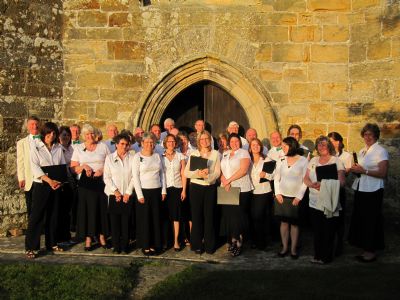
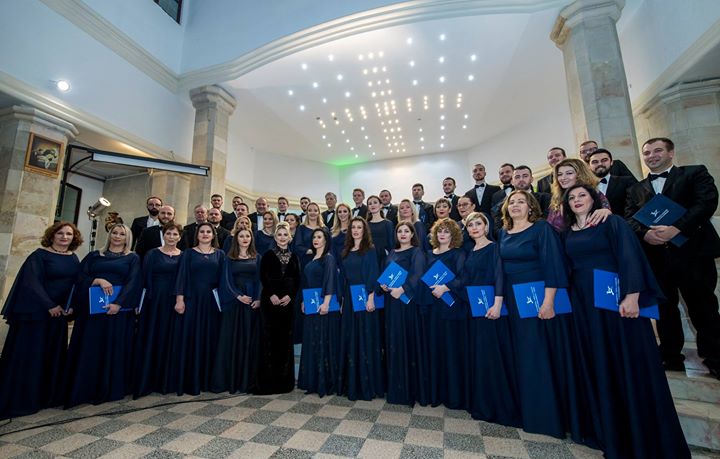
Following the exhilaration of performing with Hastings Philharmonic the previous evening, Kosovo Philharmonic Choir gave an a cappella concert to introduce us to a range of music which is almost totally unknown in this country.

They opened with an austere, if ravishingly beautiful, collection of chants written between the thirteenth and sixteenth centuries. While mirroring the development of Gregorian chant in the western church there are hints of the eastern orthodox and even of Islamic modal qualities here.

Then we leapt forward to hear three twentieth century love songs by Thomas Simaku, Lorenc Antoni and Rexho Mulliqi. The latter’s Nje Lule opens with a wordless seeming improvisation for solo soprano which drifts above a quiet choral drone to stunning effect.

Returning us to more familiar sounds we then heard Victoria’s O magnum Mysterium and John Dowland’s lovely Come Again.

If the opening had been gently challenging the following two works very even more so but entirely convincing at the same time. Mendi Mengjiqi’s Music in the Circle is just that. The choir surrounded the audience and sang from A3 sheets on which the score is printed in a series of concentric circles. The singers slowly rotate the paper as they sing, and the wordless musical lines pass back and forth across the church. A mystical experience and one which would have been different for each of us, depending upon where we were seated.

Baki Jashari’s Pakez ne enderr for narrator and choir is regarded as one of the most important recent compositions for the choir and it was good to have the composer present. Unfortunately there was no translation available so it was impossible to follow the narrative as such though the dramatic impact and power of the piece was not in doubt.

The evening ended on a lighter note with a traditional song, a jolly, up-beat, setting by the choir’s conductor Rafet Rudi, and Jake Runestad’s dancing Nyon Nyon.

A splendid and very well supported event and as John Read said in thanking them, let us hope they are able to return again soon.

Hastings Philharmonic Choir 90th Anniversary

White Rock Theatre, Hastings, Saturday 5 May 2018

In May 1967 Sir Adrian Boult conducted Verdi’s Requiem with Hastings Philharmonic Choir, noting that it was a ‘wonderful performance’. There can be little doubt that today’s choir, in the same venue, under Marcio da Silva, gave a performance which was equal to that.

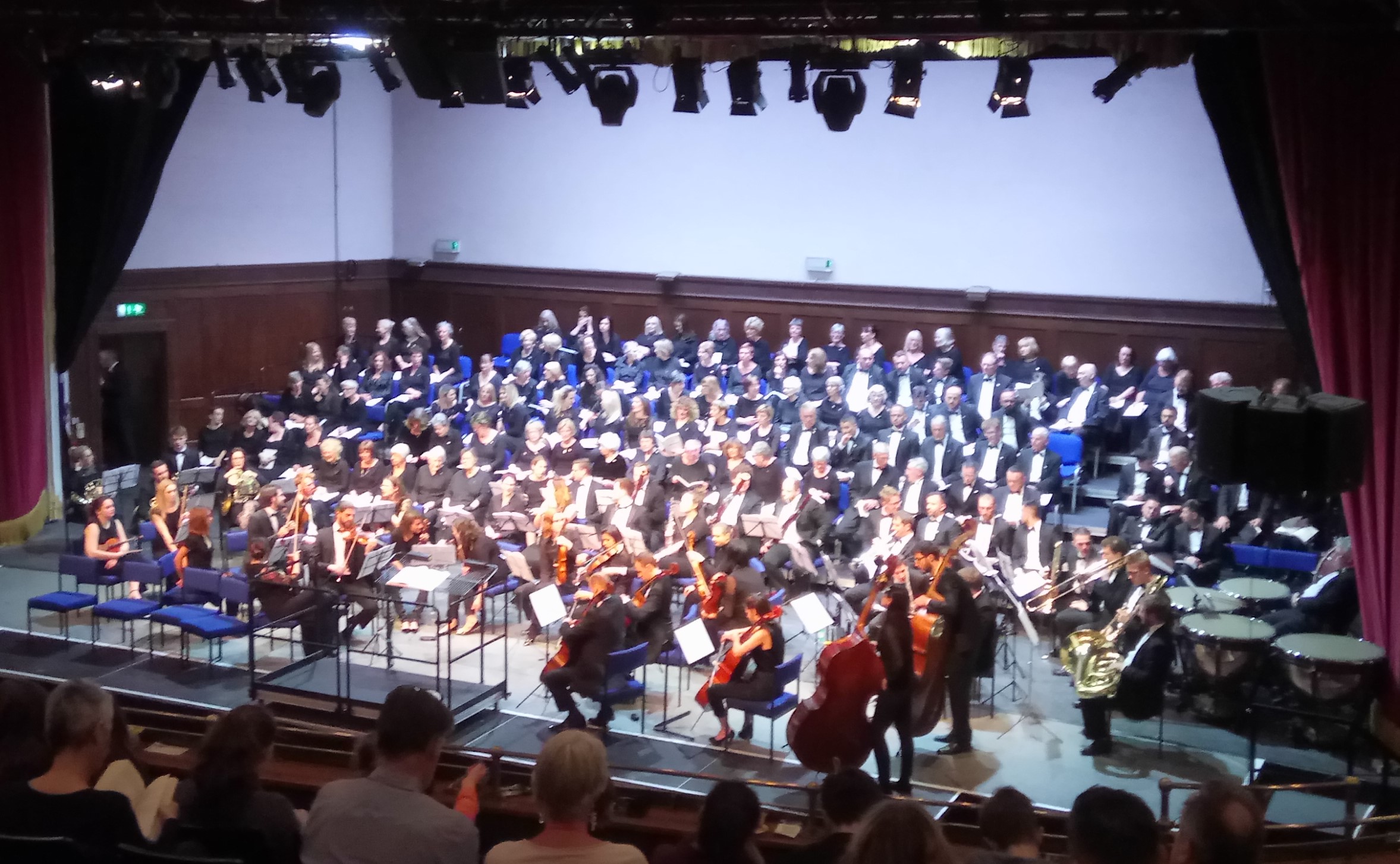
Joined by the Kosovo Philharmonic Choir, trained by their conductor Rafet Rudi, the massed voices proved to be impeccably well disciplined. Rhythms throughout were tight and Verdi’s sudden endings given all the lightning control they need. Where sheer volume is required it got it – the Dies Irae only being topped by the force of Rex tremendae and the joyous outpouring of the Sanctus. Yet the opening bars had been as hushed and reflective as I can recall hearing them. A masterly shaping of the narrative as it unfolded, and particularly pleasing given the difficult acoustic of the White Rock.

Verdi asks a lot of his soloists with parts which are entirely operatic in scope. Mezzo-soprano Catia Moreso brought a rich warmth to her singing of Liber scriptus and had more than enough presence to soar over the combined forces around her. The mezzo carries much of the dramatic weight in the earlier sections of the Requiem but she was finely partnered by tenor Emanoel Velozo who proved to have a secure upper register as well as a convincing emotional approach to the score.

At very short notice Edward Grint replaced baritone Njabulo Madlala but his easy lyricism showed no sense of a late replacement. Towards the end of the work Verdi moves our attention towards the soprano soloist and Susana Gaspar came into her own with beautifully floated lines and moments of heart-stopping intensity.

We have become used to Hastings Philharmonic Orchestra over the last year or so, almost to the point that we may have begun to take their professionalism for granted. As with the recent Tchaikovsky concert, the brass were in blazing form and the wind cut with ease – the lovely bassoon solo at Quid sum miser being particularly effective. Occasional fluffs did not inhibit our pleasure and added to the sense that this was a key live event.

At the start of the concert Chairman John Read spoke briefly of the last ninety years and the Mayor welcome the Kosovan visitors. Hastings Philharmonic Choir has, as one might expect, had a chequered history over almost a century but for those of us who have known it for a substantial part of that time, it is difficult to believe it was ever any better than it is now. This has to be the work of one man, Marcio da Silva. If this is what we are experiencing now, how good will the centenary be?!


Coffee Concert: Quatuor Arod

The Attenborough Centre for the Creative Arts, Sussex University, Falmer,
Sunday, April 29, 2018 
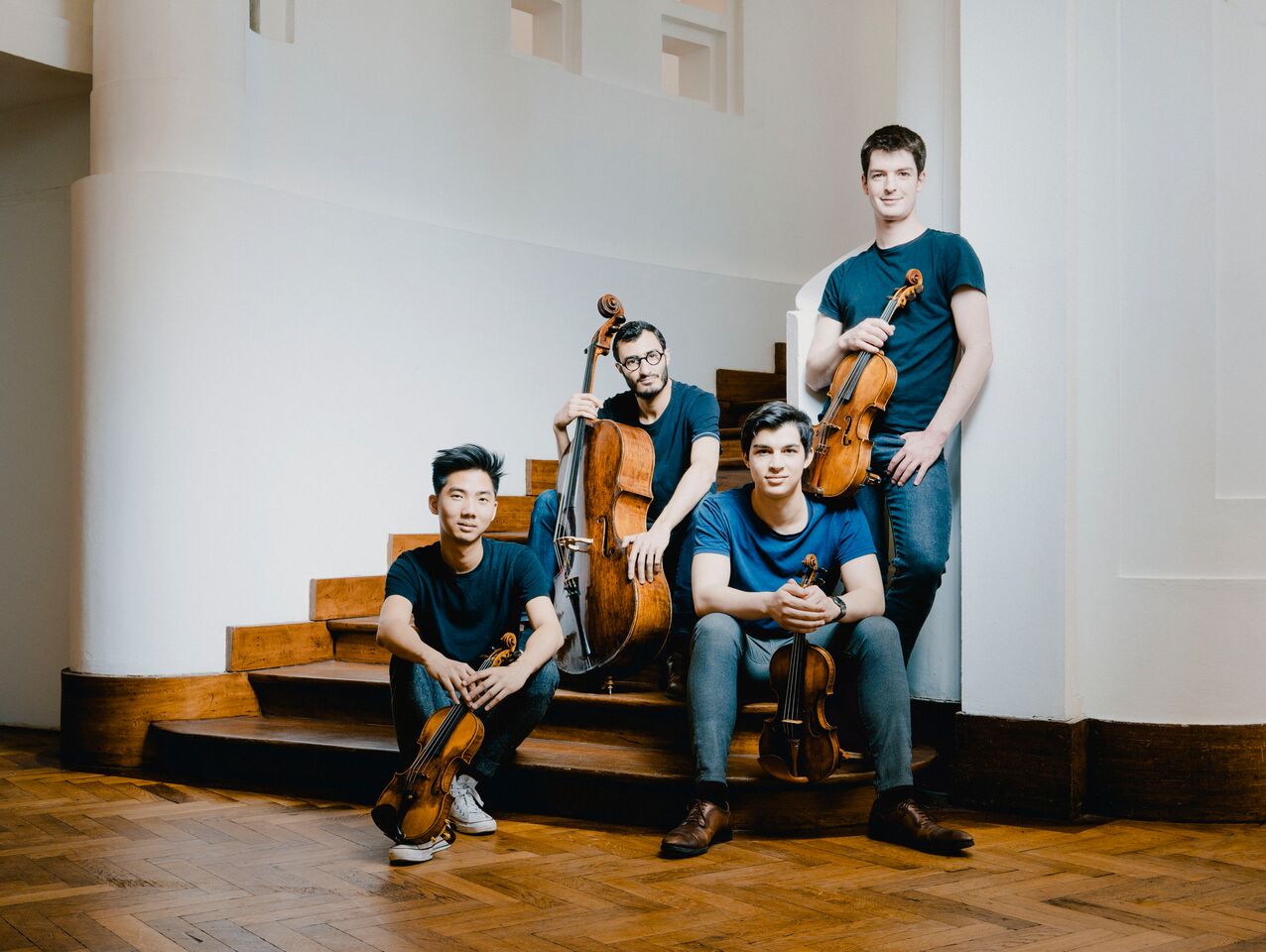
Quatuor Arod   
Jordan Victoria, Alexandre Vu (violins)
Tanguy Parisot (viola)
Samy Rachid (cello).

String Quartets by Haydn, in G minor Op74 No 3 ‘The Rider’ (1793); Benjamin Attahir, Al  ’Asr (2018); Beethoven, in E minor Op59 No2 ‘Rasumovsky’(1805).

Watching four different bodies combine on stage is one of the fascinations of seeing small-scale ensembles perform in chamber music concerts. We can’t know freely their actual personalities but we can search for clues in how they perform. Our eyes are drawn in all directions.

Here was another example in the frequent flow of Coffee Concert debut-making groups already operating at high level. This time, Quatuor Arod from Paris – intriguingly titled and individually answering to a metropolitan array of forenames and surnames yet again underlining the internationality of classical music ensemble formation down the ages.

We had another absorbed lead violinist, contained in his movement, concentrated in his delivery, articulation and expression, alert to his waiting virtuosic responsibilities. A second fiddle with wild spiky hair around an oriental face prone to smiling and excitement, and a variety of seating leg positions – and, like his No 1, buckled down to his task.

Quite different on his left, a violist seemingly at leisure when at times, as though relaxed and at peace with himself and the testing music, who would lean backwards in his chair, towards an almost carefreeness, lifting his instrument above the level of his music stand as though a drinks glass lifted for a waiter behind him to refill.

On his left, a wirier bespectacled cellist, earnest in movement and his looks towards his violist especially, and bodily a like spring recoiling and uncoiling. Here was the quartet engine’s piston and cylinder, in constant readiness and frequent thrust, propelling much of the music in very French-seeming urgency.

Although some looks deceive. Far from being the old hand at all of this, violist Tanguy Parisot is the new boy bedding in, barely more than a month in the quartet, with his cellist and often ‘rhythm section’ partner constantly at work cementing their intended  bond.

Lighting in the Attenborough Centre concert hall was more subdued than normal. Cellist Samy Rachid told me afterwards Quatuor Arad requested it as they want listeners listening rather than reading (their programmes) during the music. This was not an April ‘I love Paris in the Springtime’ programme they brought north. But a rigorous, demanding but energising trip across three historic time zones where each piece was a preparation for the next.

Their programme had the rustic homeward galloping finale of Haydn’s cuspal 17th-18th century creation, The Rider, preparing us like a trainer would, for the exacting visceral, rugged, intellectual and spiritual challenge of Benjamin Attahir’s quartet completed this very year. And that preparing a context and perspective for us, 213 years on, to view afresh Beethoven’s second Rasumovsky – the reward for which was a finale that performed almost the same compositional function as Haydn’s horseback hurtle, except without a saddle.

Quatuor Arod’s plan succeeded. Audience reaction to their often intensely-felt Haydn was boosted vocally by young audience members who got the point and gave back effusively to the players. The Attahir renewed our awareness of, and respect for, the undying expressive power of this instrumental medium, the string quartet. And the Beethoven arrived as an enthrallingly broad experience and a strong affirmation of the Attahir’s relevance and worthiness.

Written by a Toulousian in this his own 29th year, a composer, conductor, violin soloist and innovative ensemble founder who writes from East and from West, in old forms and in new, Al ‘Asr is surely a test piece of our personal expectations of chamber music. Attahir, trained at two conservatoires in Paris, the western political flashpoint capital of Europe as well one of its cultural melting pots, had given us something that requires a westerner’s urgent study.

For world understanding, we need to know about and understand each other’s religions and habitats. Ignoring them is not an option, ignorance is no excuse. Learning and respect is our sole salvation. Our Western concept of prayerfulness in a cool climate is hardly found in this music, which – says our superb programme notes – is in three unbroken movements, each guided by the poetic and allegorical aspects of the three most revered verses of the Qur’an’s 103rd chapter.

Three verses of Muslim afternoon prayer. Their message is that without faith, good deeds, patience and truthfulness towards others, over time our lives incur internal loss. And that implies an impoverishment and downgrading of ourselves.

Very few of we in the audience will have been properly equipped to equate what we heard to what we were being told. And that must betray a musical as well as cultural insularity that has to be dangerous. This music should be required listening to help us close that gap. We have to understand why it does not match our expectations. At times it was electrifying, agitated, frantic, angry, with violin horsehair flying; and at times baffling, confusing and ungraspable. It ended suddenly, unexpectedly, as though without preparation, either climactic or with downscaling. No resolution was forthcoming.

This first hearing came at this bonus add-on 7th concert to the season which came, thanks to founder Strings Attached support group member Tina Gee. And it formed a memorial dedication following a death in February this year that all Coffee Concert fans should note.

Caroline Brown dreamed up and founded (and rounded) the Coffee Concerts at The Old Market, Hove, where she was artistic director 1998 to 2010 before her long illness and the handing on of these concerts by she and husband Stephen Neiman. A cellist, both performing and as a Royal College examiner, to her lasting memory also is her foundation of The Hanover Band, who co-led the post-1970s European excavation and embracement of period instrument practice and performance.

Fittingy, this concert, with Mr Neiman present after a long absence, took place at a venue within the precincts of Sussex University, who gave Caroline her honorary doctorate. At a recent concert in a London City church, I read the epitaph above the ashes of Proms founder Sir Henry Wood.

“He (she) opened the door to a new world of sense and feeling to millions of his fellows. He (she) gave his life for music and he brought music to the people.”

If this Attahir quartet work, thanks to Quatuor Arod at this closing concert of 2107-18, leads some of us to greater cultural understanding and appreciation, then a new facet of Caroline Brown’s legacy will be underway.

Richard Amey

Next season’s concerts: October 21, Marmen Quartet; November 18, Jacquin Trio; December 9, Philip Higham (solo cello); January 27, Doric String Quartet; February 24, Castalian Quartet with Daniel Lebhardt (piano); March 24, Aquinas Trio.

English National Opera announces 2018/19 Season

ENO’s 2018/19 season features five new productions and four revivals at the London Coliseum, as well as a gala performance celebrating 50 years of opera in residence at the London Coliseum and collaborations with the Unicorn Theatre and Theatre Royal Stratford East

  • ENO’s 2018/19 season is the first curated by Artistic Director Daniel Kramer and Music Director Martyn Brabbins

ENO 30 March 2017

  • Director Adena Jacobs opens the season with her UK debut, a bold and radical feminine interpretation of Salome conducted by Martyn Brabbins and starringAllison Cook in the title role
  • ENO will perform Porgy and Bess for the first time in the company’s history, conducted by John Wilson in his ENO debut with a cast featuring Eric GreeneNicole CabellLatonia Moore and Nadine Benjamin alongside an ensemble of 40 singers
  • ENO’s Olivier Award-winning Chorus will be joined by the ensemble from Porgy and Bess to present Benjamin Britten’s War Requiem, conducted by Martyn Brabbins, directed by Daniel Kramer and designed by Turner Prize-winning photographer Wolfgang Tillmans
  • Associate Director at the Old Vic Max Webster will direct The Merry Widow with a cast of ENO favourites including Sarah TynanAndrew Shore and Rhian Loisjoined by baritone Nathan Gunn and conducted by Kristiina Poska
  • ENO will present the world premiere of Iain Bell and Emma Jenkins’s Jack the Ripper: The Women of Whitechapel with central female roles created by some of the UK’s most esteemed singers, including Dame Josephine BarstowSusan BullockJanis KellyLesley Garrett and Marie McLaughlin
  • Opera for All: 50 Years of Opera at the London Coliseum will be a special evening of performances celebrating moments from operas that have played an important part in ENO’s history, performed by stars from ENO’s past and present
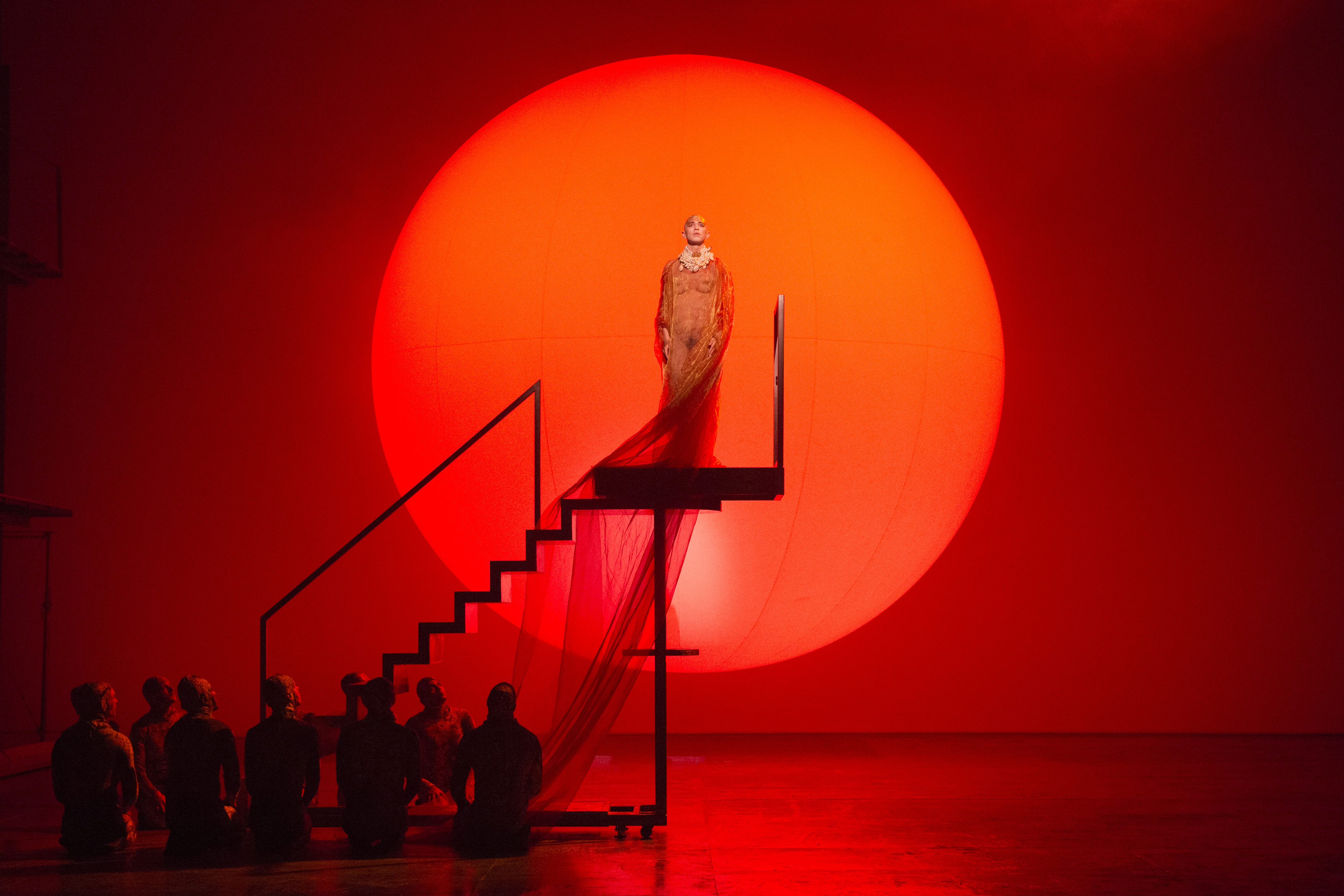
  • The season’s revivals comprise David Alden’s striking Lucia di LammermoorJonathan Miller’s much-loved La bohème, Phelim McDermott’s Olivier Award-winning Akhnaten and Simon McBurney’s standing-room only production of The Magic Flute 
  • ENO will collaborate with the Unicorn Theatre in May 2019 to present 19 performances of Dido, inspired by Purcell’s Dido and Aeneas, in a production directed byPurni Morell, conducted by ENO Mackerras Conducting Fellow Valentina Peleggi and specially aimed at teenage audiences
  • In July 2019 ENO will collaborate for the first time with Theatre Royal Stratford East to present Noye’s Fludde, directed by Lyndsey Turner and bringing together professional performers, children and community groups from across Newham with participants from our ENO Baylis programme
  • More than 42,500 tickets are available at £20 or less across the 2018/19 season, increased from 39,500 last season

Ellen Kent : La Traviata

White Rock Theatre, Hastings, Sunday 29th April 2018

For many at the White Rock this was their first encounter with Verdi’s La Traviata and Ellen Kent’s stylish and often beautiful presentation allows the tragic narrative to unfold with simple grace.

The single massive neo-classical setting, with its three arched entrances, works well for all of the scenes, the subtle changes in period furniture giving the right level of class and detail.

Within this heavy interior Violetta’s demise moves from the glare of social events to the intimacy of her private rooms.

Alyona Kistenyova is an impressive Violetta, clearly in charge of the opening party scene and movingly effective when confronted with Alfredo’s father. Her death scene is convincing without becoming too lurid. Iurie Gisca brings out the emotional turmoil of Germont Pere and his singing of Di provenza il mar is particularly moving.

Vitalii Liskovetskyi has a very large tenor voice as Alfredo which works well in the Act Two party scene, where his anger boils over, but seemed rather too strident in the more intimate scenes.

This is partly the problem with the White Rock itself. Not only was the production devoid of its fine drop curtain but the whole cast would be better suited to a far larger venue. It certainly makes the case for Hastings needing a lyric theatre with a proper orchestra pit.

Smaller parts were well cast with Vadym Chernihovskyi bringing warmth to the doctor in the final scene and Zara Vardanean a quietly supportive Annina.

The small chorus are used intelligently and sing securely throughout. One of the real benefits of Ellen Kent’s productions is the size of the orchestra. For La Traviata the strings are particularly important and here there were more than enough of them to make a secure and well balanced impact.

Nicolae Dohotaru’s conducting was well paced though it is a pity the production needs two intervals and a pause between scenes in act two, which holds up the inevitability of the tragedy.

A large and enthusiastic audience showed that there is a demand of high quality performances – now all we need is a venue that can stage them.

ANYTHING GOES

Renaissance Theatre Company, St Mary in the Castle 28th April 2018

Complicated relationships, mistaken identities and shady shenanigans abound as a colourful array of characters – passengers and crew – journey from America to England aboard the ocean liner SS American. This 1934 musical, based on an earlier book by Guy Bolton  & P G Wodehouse, boasts a number of well-known songs with words and music by Cole Porter and reflects the glitz and glamour of the privileged classes in the roaring 20s.

Experienced and capable company members were joined by a number from the next generation, who proved themselves to be worthy of their casting. Strong performances were given by all the leads, and particularly in a number of duets their musical prowess was showcased to the full. There were some quieter moments but mostly this is a fast moving, high energy show and this production had the necessary energy and slick movement to make it work.

As would be expected of something originally from the pen of Mr Wodehouse, acting was often necessarily over the top, brilliantly bringing the flamboyant, larger-than-life characters to life.

In two of the biggest set-pieces, the songs, Anything Goes and Blow, Gabriel, Blow, we witnessed the absolute dedication and commitment of the entire cast as they threw themselves with authentic ‘20s gay abandon in these all-singing, all dancing, up-tempo extravaganzas. Attention to the superb choreography was first rate and I must mention the brilliant tap routines which made me (almost) wish to join in! The brilliant musicianship of the band under the direction of Andy Gill deserves a special mention as does the wonderful rearranged duet by the two sailors.

There were many super performances but one that I feel deserves to be singled out is that of Reggie Regelous as Lord Evelyn Oakleigh, who truly surprised us all with his Gypsy in me!

It has to be said that there are some rather unenlightened attitudes in the writing of the play which make for uncomfortable viewing in 2018. A warning about this was placed at the entrance to the auditorium. I think this was a good idea.

As with any production much work goes into planning and preparation. Congratulations must go to Director Mark Evans and choreographers Jessica Sutton & Sarah Freeman. As well as the dedication of the whole cast and crew there will be many others who have made this all possible. Proceeds from the show will be donated to St Michael’s Hospice and the Shazzie Sparkle Trust.

A truly entertaining piece of escapism that once again highlights the talent and dedication of this group.

Stephen Page


The Melodians choir Summer Concerts 2018.

Join us for an evening of music from the 16th to the 21st Century that will take us from London to Liverpool and from the shores of Middle Earth to the stars. There will be our usual eclectic mix of pop, classical and show tunes, including music from Thomas Tallis, Richard Rogers and Enya.
Saturday 30th June 7pm
at Bexhill United Reformed Church, Cantelupe Road, Bexhill. £5 entry.
Saturday 14th July
at St Peter & St Paul Church, Parkstone Road, Hastings. £5 entry.
All procedes will go to St Michael’s Hospice.