

In many ways this was the concert I’ve been yearning for. For eighteen long months I have hankered wistfully to be in a concert hall, packed to capacity with a large orchestra including double brass, sax, contrabassoon, tuba and lots of percussion. This one ticked all those boxes with two handed piano and the massive Royal Albert Hall organ thrown in for good measure.
It was very neatly linked programming too with Unsuk Chin’s homage to Beethoven subito con forza leading to Beethoven’s fourth piano concerto which used the Saint-Saens cadenzas as a pathway to the latter’s third symphony. Joined-up thinking was the order of the day.
Chin’s piece, commissioned for last year’s Beethoven celebrations but, perforce, not heard in the UK until now, is full of Beethovenian chords, cadences, rhythms and snatches of melody offered and then snatched away by a battery of percussion. It’s good fun, very ingenious and Elder ensured that we heard and enjoyed every strand.
It’s always a treat to hear Benjamin Grosvenor play Beethoven and an especial pleasure to hear the beautiful fourth which doesn’t get quite as many outings as the third and fifth. I liked the emphasis on the filigree texture in the first movement and the Elder’s cheerful focus on every orchestral interjection. Sir Mark smiles a lot from which I infer that he really is having as good a time as the audience is. In what was, a warm, friendly but unshowy performance there was gentle passion in the melodious adante with a moving segue into the last movement.
The Saint-Saens cadenzas were interesting but far too heavy and “Romantic” for what is, in essence a classical concerto, notwithstanding its unusual opening. I’m glad I heard them, and understand exactly why they fitted this context, but I certainly wouldn’t want them as my go-to version of this concerto,
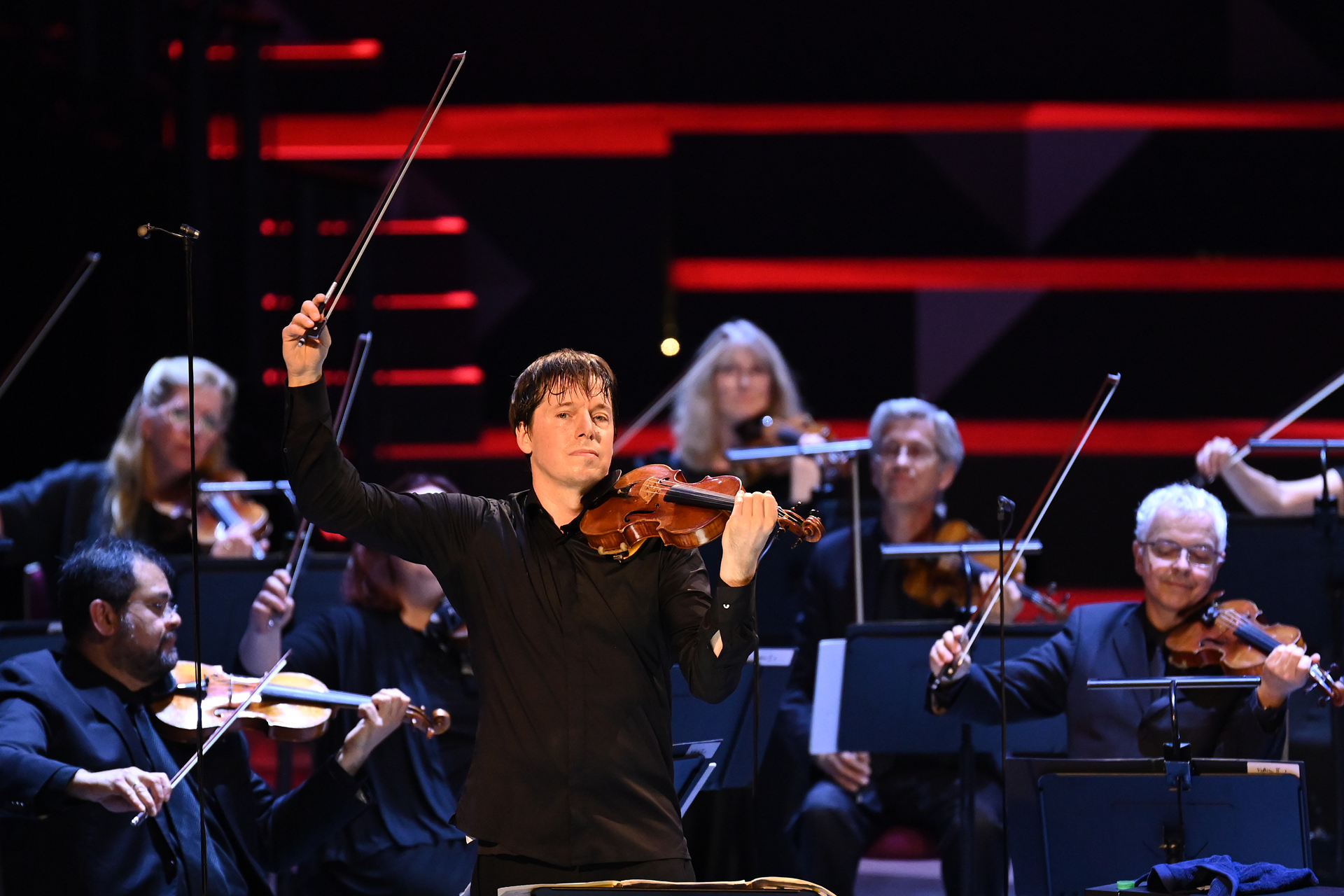
And so to Saint-Saens in all his glory. The performance of the 1886 third symphony Organ was magnificent from its quavery first movement (I can’t be the first person to detect a nod to Schubert 8 in there?) to the marvel of Anna Lapwood, making her Proms debut seated at the organ a very long way from Elder at the front of the distanced Halle orchestra – whose pizzicato work, by the way, is exceptionally effective. Lapwood brought tender lyricism to the lovely melody in the poco adagio and then all the dramatic grandiloquence that the last movement requires. “Excitement” is an overused word but it really was extraordinarily exciting – almost awe-inspiring – to hear the Royal Albert Hall resonating to that huge sound as the final chords blasted over the timpani. If I were several decades younger I might say “wow!” and capitalise it.
Susan Elkin
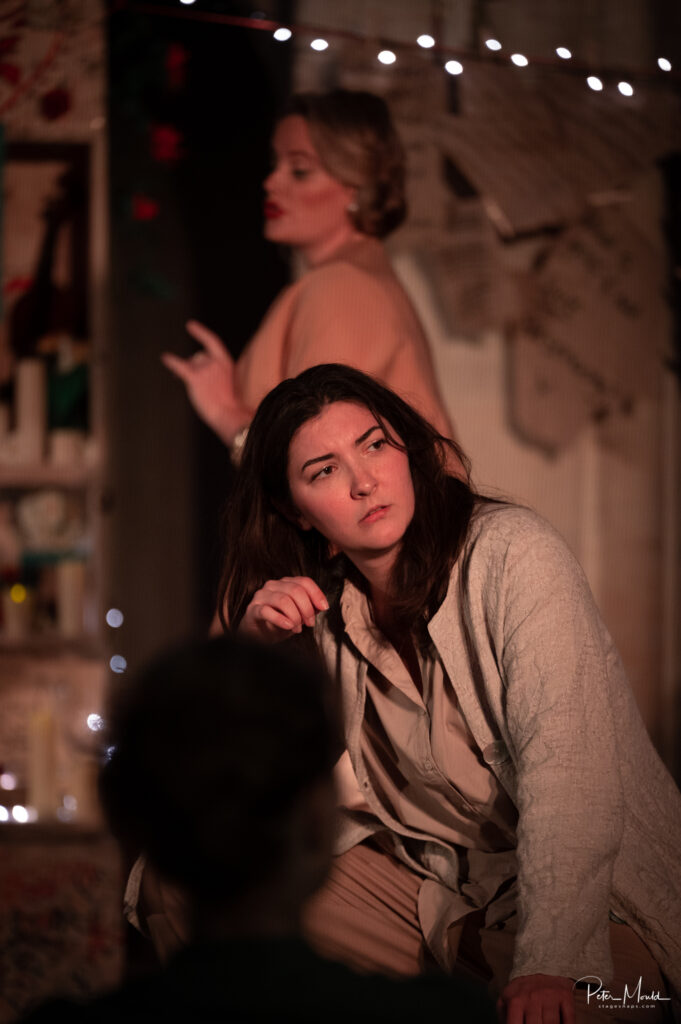 This neat double bill sets a pared down version of Gluck’s 1762 three act opera alongside Mascagni’s 40 minute Zanetto (1896) and it makes a pleasingly accessible evening of opera, running less than two hours in total. Surtitles clarify the storytelling so that we can enjoy the musicality of the original Italian.
 This coming season – our sixth – will be dedicated to the link between the Hastings Philharmonic Orchestra and the Hastings Municipal Orchestra for which the White Rock Theatre was created. We will focus on three of the most prominent composers of the Hastings Municipal Orchestra: Julian Clifford, Julius Harrison, and Basil Cameron. We are excited to be the orchestra in residence at the theatre and we look forward to welcoming you in September.
 This concert presented High Romanticism in several guises. And that meant lots of emotion and more beautiful melodies than you could shake a stick at – all under the baton of a holistically inclined conductor who places the music centre stage rather than resorting to showy, look-at-me gesturing.
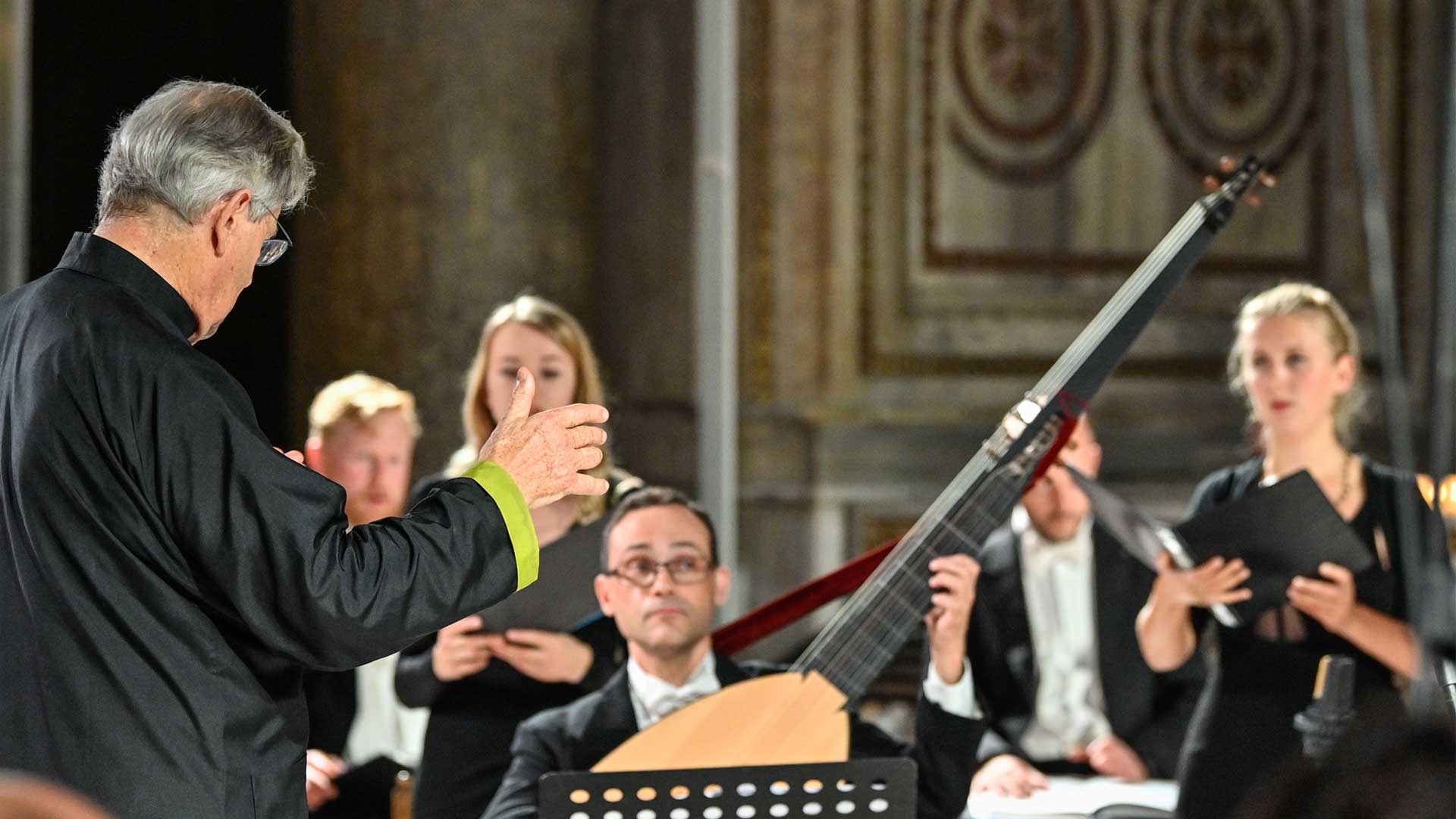 Sir John Eliot Gardiner is, quite literally an inspiration. He breathes music into his players and singers with wondrous results. As someone said to me afterwards it would have been worth the ticket price just for the Conquassabit passage in Handel’s Dixit Dominus – with its dramatic announcement pause and then a whole series of superbly articulated, staccato entries. It was an edge of the seat moment. And Sir John achieves all this without fuss or flamboyance – just fluidity of the wrists, mouthing the words and the unfussy force of personality. This, astonishingly, was his 60th appearance at the Proms.

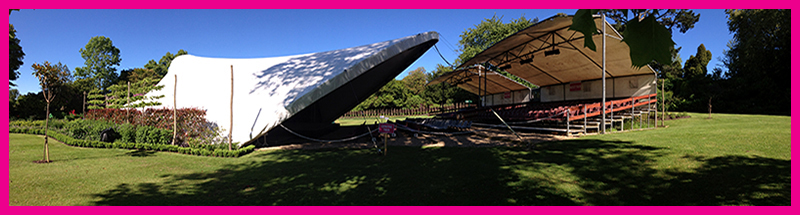 Opera Brava had a beautiful summers evening at Hever Castle on 14th August when they performed Puccini’s Tosca. The seven musicians, occupied the left side of the stage, while the set for the singers filled the right, which affected the balance of sound considerably depending on which side of the audience one sat. Hats off to musical director, Robert Bottriell who conducted the whole from the piano in the centre.